Transitions and God's Faithfulness
Change is inevitable. Here are some examples:
Whether it’s graduating from school, starting a new job, moving to a different city, getting married, experiencing loss, or entering retirement – life is full of transitions. Some we plan; others catch us by surprise. But all transitions come with both challenges and opportunities.
The Bible is full of stories of people navigating seasons of change:
Challenges of Transition
Transitions often unsettle us because they disrupt routine, security, and identity. We may experience fear, grief, or doubt. Even good changes – like getting married or having a baby – can bring stress and emotional turmoil. We wonder: Will I make the right decisions? Can I handle this new role? What if I fail?
- Death in family brings extreme feelings of loss, along with reflections of good memories.
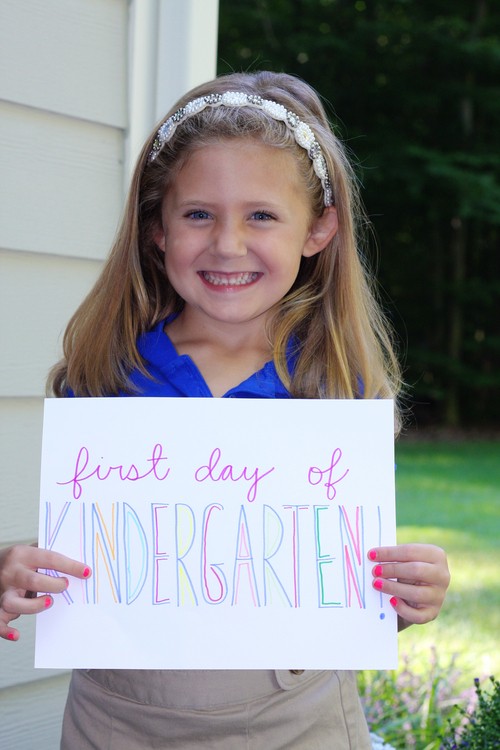
- School starting for a Kindergartner or college student drastically changes routines and brings new challenges to navigate, and opportunities to explore!
- Moving to new area, new neighbors, new home.
- Health diagnosis that causes a major shift for your future, your schedule, and your commitments.
- Job change, whether positive or negative, upsets your routines and ways of thinking about your workload or commitments.
Whether it’s graduating from school, starting a new job, moving to a different city, getting married, experiencing loss, or entering retirement – life is full of transitions. Some we plan; others catch us by surprise. But all transitions come with both challenges and opportunities.
The Bible is full of stories of people navigating seasons of change:
- Abraham was called to leave everything familiar and go to a land God would show him (Genesis 12:1).
- Moses transitioned from a prince in Egypt to a shepherd in the desert – and eventually to the leader of a nation (Exodus 3).
- Ruth moved from Moab to Bethlehem after losing her husband, entering a new land, culture, and faith (Ruth 1).
Challenges of Transition
Transitions often unsettle us because they disrupt routine, security, and identity. We may experience fear, grief, or doubt. Even good changes – like getting married or having a baby – can bring stress and emotional turmoil. We wonder: Will I make the right decisions? Can I handle this new role? What if I fail?

The Israelites, when leaving Egypt for the Promised Land, faced one of the biggest transitions in history. Though they were headed to freedom, the journey through the wilderness was filled with anxiety and complaints. They often looked back, saying, “It would have been better for us to serve the Egyptians (Exodus 14:12).” Fear of the unknown made them question the goodness of change – even when it was God-ordained.
We do the same. When the future feels unclear, we’re tempted to romanticize the past or resist stepping forward. Sometimes we trade opportunity for safety; the unknown for the known.
We do the same. When the future feels unclear, we’re tempted to romanticize the past or resist stepping forward. Sometimes we trade opportunity for safety; the unknown for the known.

Opportunities in Transition
Yet transitions also bring opportunities – new growth, fresh starts, and deeper dependence on God. The discomfort of transition often stretches us beyond our limits and into places of greater maturity and trust.
In Isaiah 43:19, God says, “See, I am doing a new thing! Now it springs up; do you not perceive it? I am making a way in the wilderness and streams in the wasteland.” Transitions are often where God reshapes us, redefines our purpose, and reveals new aspects of His character.
Take modern examples: A career change may open doors to a passion you never pursued. Moving to a new city may lead you to new friendships, churches, or mission fields. The loss of a loved one, while heartbreaking, may deepen your compassion and make you a source of comfort to others (2 Corinthians 1:3–4).
Yet transitions also bring opportunities – new growth, fresh starts, and deeper dependence on God. The discomfort of transition often stretches us beyond our limits and into places of greater maturity and trust.
In Isaiah 43:19, God says, “See, I am doing a new thing! Now it springs up; do you not perceive it? I am making a way in the wilderness and streams in the wasteland.” Transitions are often where God reshapes us, redefines our purpose, and reveals new aspects of His character.
Take modern examples: A career change may open doors to a passion you never pursued. Moving to a new city may lead you to new friendships, churches, or mission fields. The loss of a loved one, while heartbreaking, may deepen your compassion and make you a source of comfort to others (2 Corinthians 1:3–4).

Navigating Transitions with Faith
- Acknowledge the difficulty. Don’t pretend transitions are easy. Even Jesus wept at the tomb of Lazarus (John 11:35). Name your emotions before God.
- Seek God’s guidance. Proverbs 3:5–6 reminds us to “trust in the Lord… and He will direct your paths.” Transitions are opportunities to lean not on our understanding, but on Him.
- Stay anchored in community. Don’t walk through change alone. God often works through His people to provide encouragement, wisdom, and support.
- Look for the growth. Ask: “God, what are You teaching me in this season?” Even painful transitions can bear fruit.
In every transition, one thing remains constant: God’s faithfulness. He never changes (Hebrews 13:8), and He walks with us through every new chapter. He promises. “I will never leave you nor forsake you (Hebrews 13:5).” Transitions may stretch us – but they also shape us into who God is calling us to be.

Recent
Archive
2026
January
February
August
2025
March
July
November
Categories
no categories
No Comments